
New DeFi protocols launch every week. Some become foundational infrastructure used by millions. Most are forgotten within months. A handful are outright scams designed to drain whatever you deposit.
The difference between a protocol worth trusting and one that will cost you money isn't always obvious — especially when both have slick websites, active Discord servers, and eye-catching APY numbers. But there is a difference, and it shows up clearly when you know what to look for.
This guide gives you a practical due diligence framework — the specific questions to ask and the specific places to find the answers before you deposit a single dollar into any DeFi protocol.
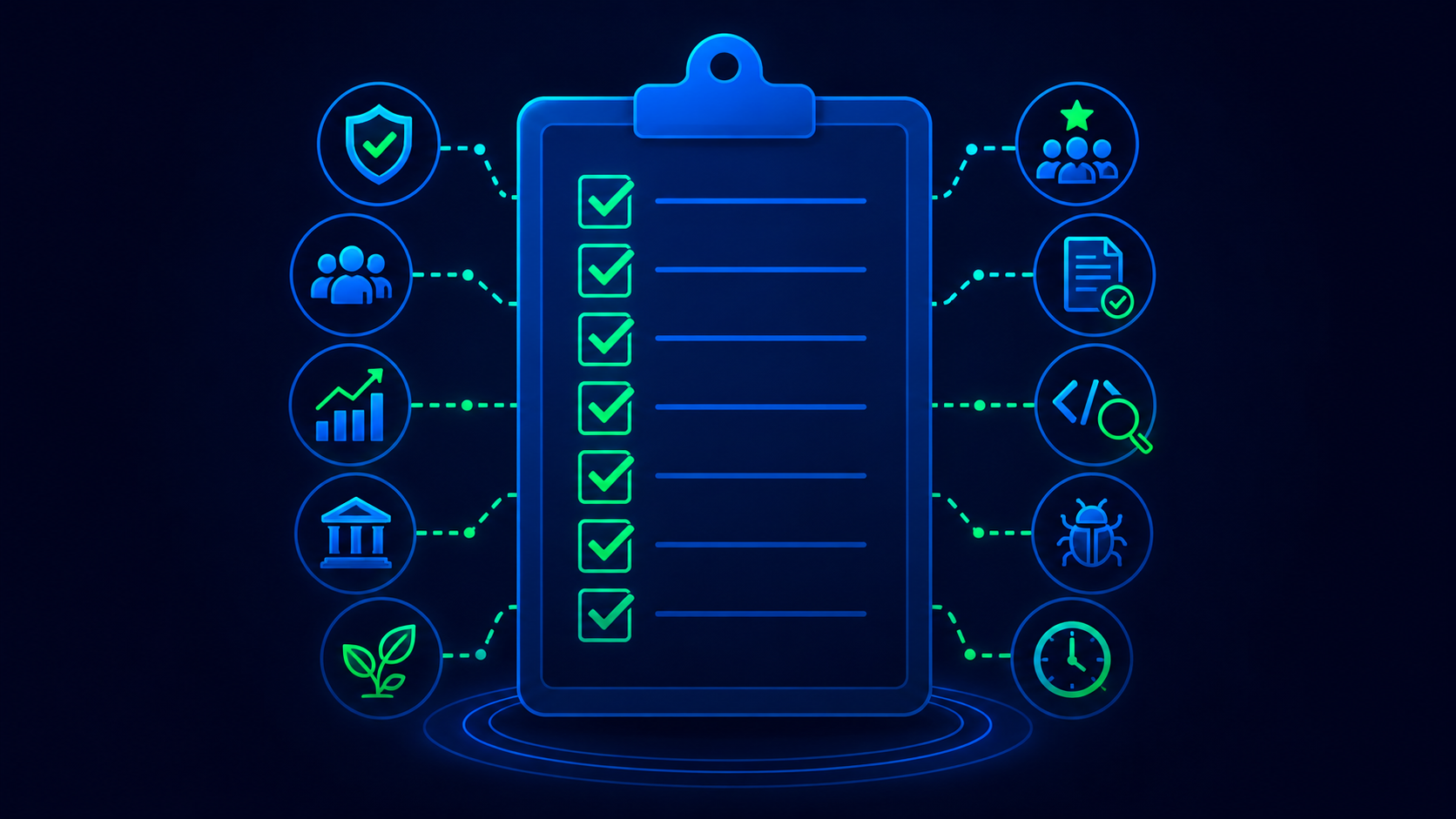
In traditional finance, several layers of protection exist between you and a bad investment. Regulatory oversight. Disclosure requirements. Deposit insurance. Legal recourse if fraud occurs.
In DeFi, most of those layers don’t exist. Smart contracts execute automatically — there’s no regulator reviewing whether a protocol is safe before it goes live. Anyone can deploy a protocol. Anyone can create a token. Anyone can build a website that looks professional and trustworthy.
The responsibility for evaluating whether a protocol is legitimate, secure, and worth trusting falls entirely on you. Due diligence isn’t optional in DeFi — it’s the only protection you have.
Work through these questions in order before depositing into any new protocol. The more boxes you can check, the more confident you can be. Red flags at any step are worth taking seriously.
This is the first and most important question. A smart contract audit is a review of the protocol’s code by an independent security firm — looking for vulnerabilities, logic errors, and potential attack vectors before the protocol goes live.
What to look for:
Where to find it: Official protocol documentation, the auditing firm’s website, or the protocol’s GitHub repository.
Red flag: No audit, an audit from an unknown firm, or an audit that flagged critical issues the team hasn’t addressed.
Time is one of the most reliable proxies for security in DeFi. A protocol that has been running for two years with significant TVL and no exploit has been stress-tested by real market conditions, real trading activity, and real attempts to find vulnerabilities.
A protocol launched last week hasn’t.
What to look for:
Where to find it: DeFiLlama shows TVL history for most protocols going back to their launch. A flat or growing TVL over years is a healthy signal.
Red flag: A protocol less than six months old, a TVL that spiked recently with no history before it, or evidence of previous exploits or emergency pauses.
Anonymous teams are common in DeFi — and not automatically a red flag. Some of the most important protocols were built by pseudonymous developers. But anonymity does change the risk profile, because accountability is harder when identities are unknown.
What to look for:
Where to find it: Protocol website, Twitter/X, LinkedIn, GitHub commit history.
Red flag: Completely anonymous team with no track record, a team that disappeared from public communication, or founders associated with previous failed or exploited projects.
Understanding who controls a protocol tells you a lot about its long-term risk profile.
What to look for:
Where to find it: Protocol documentation, governance forum, on-chain governance data on platforms like Tally or Snapshot.
Red flag: A single admin key with no multisig, no timelock on contract upgrades, or governance token supply heavily concentrated in a few wallets.
Total Value Locked is an imperfect metric — but its history tells a story worth reading.
What to look for:
Where to find it: DeFiLlama provides TVL history, composition breakdowns, and chain distribution for thousands of protocols.
Red flag: TVL that appeared suddenly and recently with no history, extreme concentration in a handful of wallets, or TVL that collapsed during previous market stress events and never recovered.
A previous exploit isn’t automatically disqualifying — how a team responds to an exploit often reveals more about their character than the exploit itself. But a history of exploits deserves serious scrutiny.
What to look for:
Where to find it: Rekt.news maintains a database of DeFi exploits with technical details. DeFiLlama also tracks major hack events.
Red flag: Multiple exploits, a team that handled a previous exploit poorly, or unresolved vulnerabilities that were flagged and never addressed.
This is where many beginners get caught — dazzled by headline APY numbers that don’t survive basic scrutiny.
What to look for:
Where to find it: The protocol’s own interface, DeFiLlama’s yield section, and community discussions in governance forums.
Red flag: Yields dramatically above market rate with no clear sustainable source, rewards paid entirely in the protocol’s own newly minted token, or yield numbers that have no historical track record.
Protocol communities are often the fastest source of information about emerging concerns — before they show up in formal reports or audits.
What to look for:
Where to find it: Protocol Discord, governance forum, Twitter/X, Reddit, and DeFi-focused communities.
Red flag: A community that only discusses price and dismisses security questions, a team that deletes critical posts or bans skeptical users, or an absence of any substantive technical discussion.
Before you interact with any protocol, verify you’re using the correct contract address — not a fake one.
What to look for:
Where to find it: Protocol’s official website documentation, Etherscan, or the protocol’s official GitHub.
Red flag: Contract addresses that don’t match official documentation, unverified source code, or deployment dates that contradict what the protocol claims.
Before depositing into any new protocol, run through this checklist:
A protocol that passes all nine checks isn’t guaranteed to be safe — DeFi has no guarantees. But it’s meaningfully safer than one that fails several of them. And a protocol that fails multiple checks should be avoided regardless of how attractive the yield numbers look.
Due diligence in DeFi isn’t glamorous. It’s reading audit reports, checking GitHub commit histories, and spending twenty minutes on research before every new deposit. But it’s also the difference between building steady yield on sound infrastructure and losing everything to a protocol that was never worth trusting.
The checklist above won’t catch every risk. Smart contract vulnerabilities can exist in audited code. Teams can act in bad faith despite public profiles. Markets can move against even the most robust protocols.
What the checklist does is dramatically raise the quality of the protocols you interact with — and dramatically reduce the probability of losing funds to the avoidable risks that claim the majority of DeFi losses every year.
Do the work before you deposit. Your future self will thank you.
Disclaimer: Educational content only — not investment, financial, tax, or legal advice. Cryptocurrency and DeFi involve substantial risk, including the potential for total loss of capital. See our full Terms & Conditions and Privacy Policy.